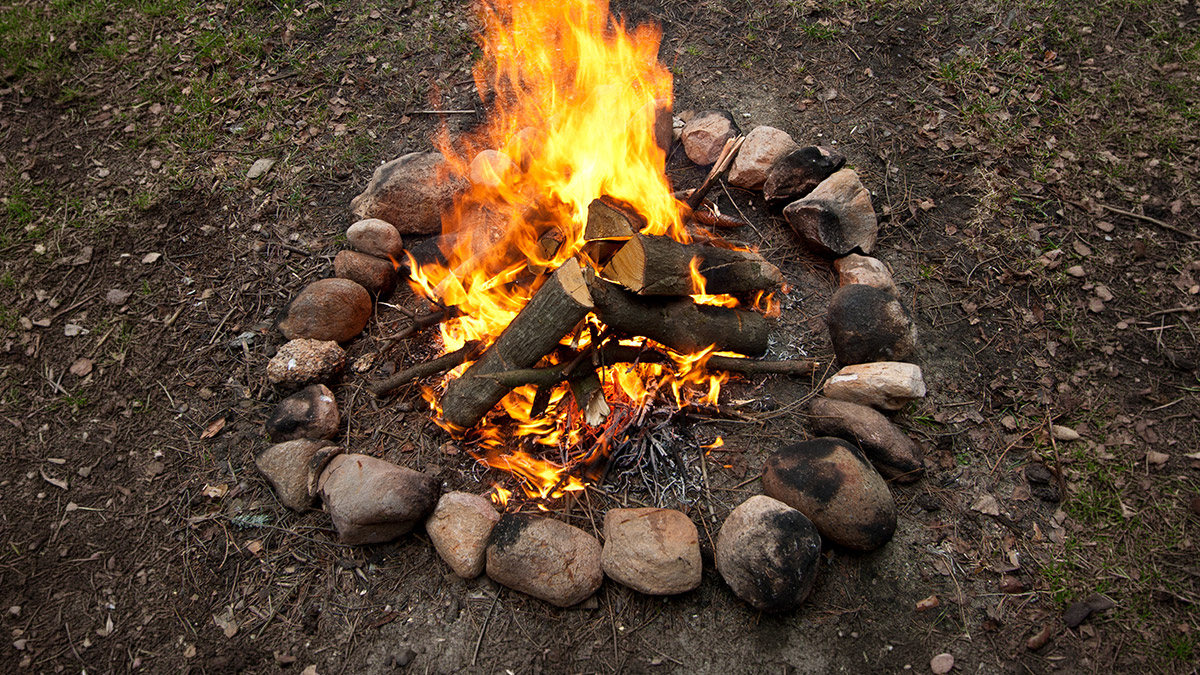

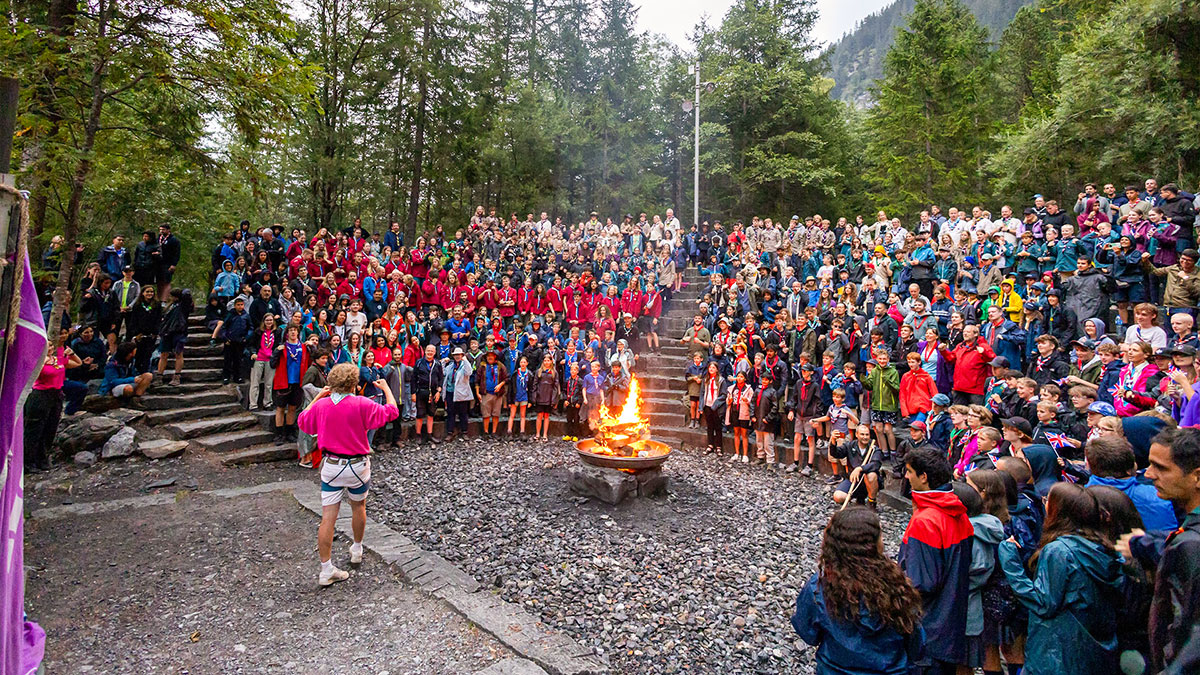
There’s nothing quite like gathering around a campfire after a day of outdoor adventures. Whether you’re singing songs, sharing stories or enjoying time with your patrol, a campfire is a classic part of camping.
For Scouts and Guides, learning about campfires is a great way to develop campcraft skills, teamwork and responsibility. But before getting started, it’s important to understand how to build a campfire safely and protect everyone around you.
1. Choose the Right Location
Before lighting a fire, check that open fires are permitted at your campsite and follow all site rules and group safety procedures.
Always use a designated fire pit or approved area, a safe distance from tents, trees, dry vegetation and other combustible materials. Consider wind direction, weather conditions and the availability of clear escape routes.
Keep tents and sleeping areas well away from open fires, and never smoke inside or close to tents.
2. Gather Your Materials
A campfire typically uses three types of material:
- Tinder: Small, dry materials that catch fire easily.
- Kindling: Small twigs or approved fire-starting materials.
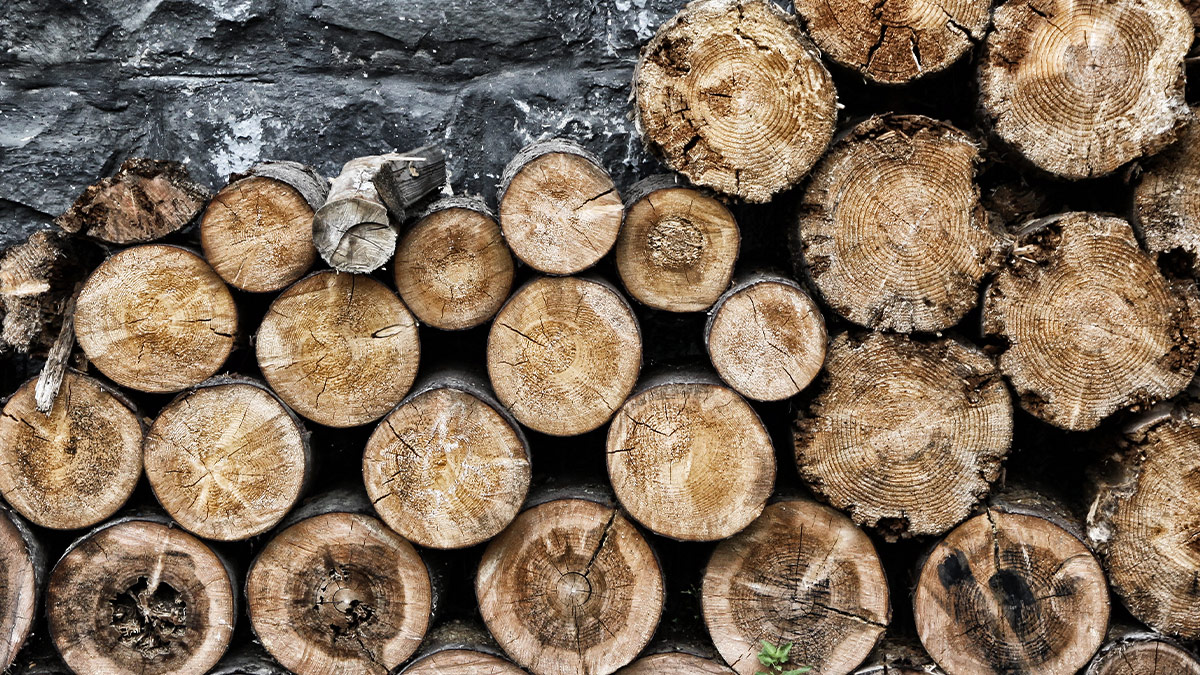
- Firewood: Suitable, dry wood to keep the fire burning.
Only collect wood where permitted, and never burn rubbish, plastics or treated wood. Never use petrol or other flammable liquids to start a fire.
Only adults should light the fire. Young people may help with suitable tasks if specifically identified, briefed and appropriately supervised.
3. Keep Your Campfire Safe
Once the location has been approved, the responsible adult should build a small, manageable fire in the designated area. Add suitable firewood gradually and never allow the flames to grow too large.
Remember these essential campfire rules:
- Keep a safe distance from the flames.
- Never run, push or play around the fire.
- Never throw objects into the flames.
- Avoid overcrowding and keep pathways clear.
- Never leave the fire unattended.
- Only adults or specifically identified, suitably briefed participants should add fuel.
Adults should remain positioned among the group, maintaining clear sightlines and effective supervision throughout the activity.
Suitable fire-control equipment, such as buckets of water, sand or appropriate fire-beating equipment, should be kept nearby in line with campsite procedures.
4. Understand the Hazards
Campfires can be enjoyable, but it’s important to recognise the risks.
- Fire spreading: Wind and flying sparks can ignite tents, vegetation or equipment. Keep fires small and stop if conditions become unsafe.
- Burns: Flames and embers remain hot even when a fire appears to be dying down. Never touch the fire or its contents.
- Slips and trips: Poor lighting after dark can make tent guy lines and uneven ground difficult to see. Keep paths clear and provide suitable lighting.
- Panic and overcrowding: Maintain enough space for everyone to move away safely and ensure participants know to follow their leader’s instructions.
- Unsafe fuel storage: Keep fuel containers clearly marked, securely stored and away from ignition sources.
If a fire becomes difficult to control, alert your leader, move everyone to safety and follow the campsite’s emergency procedures. Never put yourself or others at risk trying to tackle a dangerous fire.
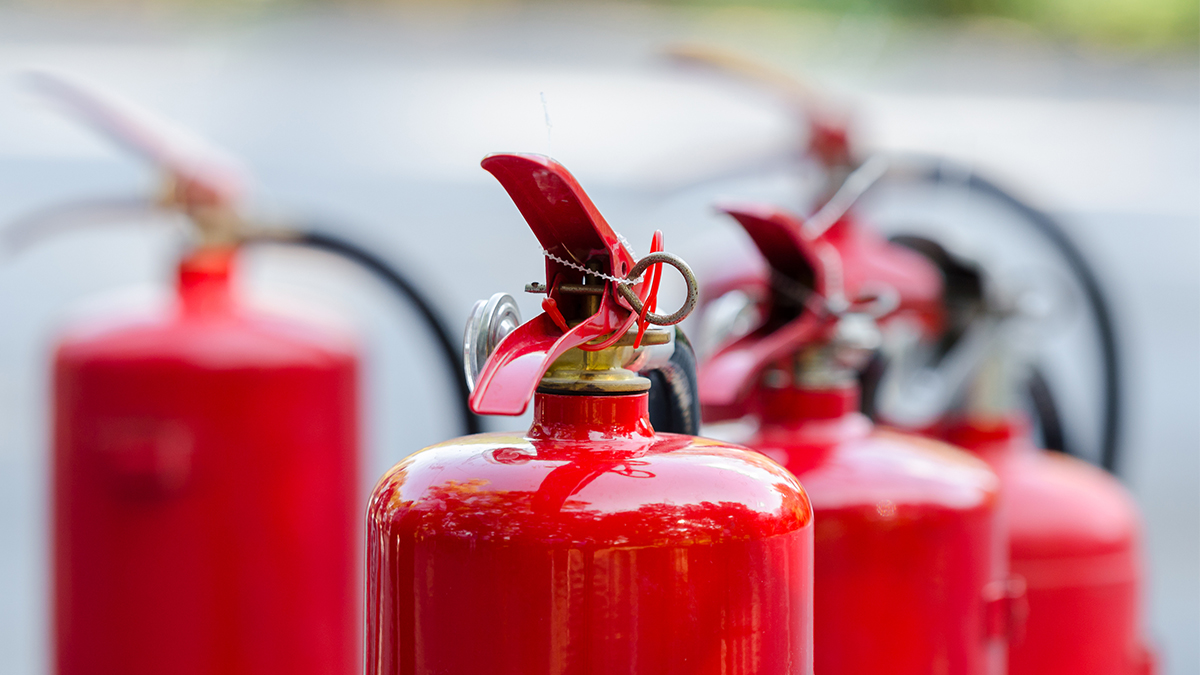
5. Extinguish the Fire Properly
At the end of every session, the responsible adult must ensure the fire is completely extinguished, following the campsite’s instructions.
Remember that embers can remain hot long after the flames disappear. Never assume a fire is out because it looks extinguished, and never leave the area until the responsible adult has confirmed it is safe.
Always follow the campsite’s guidance for disposing of ash and leaving the area tidy.
Campfire Safety Checklist
Before your campfire activity, make sure you have:
- Checked that open fires are permitted.
- Chosen an approved location away from tents and combustible materials.
- Checked the weather and wind conditions.
- Explained the safety rules to everyone.
- Arranged appropriate adult supervision.
- Kept suitable fire-control equipment nearby.
- Ensured fuel is stored safely.
- Made a plan to extinguish the fire completely.
Campfire Safety with Venture Abroad
At Venture Abroad, we want every outdoor adventure to be enjoyable, memorable and safe. Our comprehensive handbooks provide guidance to help group leaders prepare for their tours and complete the necessary paperwork.
For campsite-specific guidance, refer to the VA Tour Management Handbook – Campsite (PDF).
Group leaders should review the relevant guidance, complete the required risk assessments and ensure that campsite rules and group safety procedures are followed.
A campfire can be a highlight of any Scout or Guide camp. With good preparation, responsible supervision and respect for the outdoors, you can enjoy the tradition while keeping everyone safe.
Be prepared, respect the fire and make every outdoor adventure a safe one!
Ready to take Your Next Adventure to Another Level?
With tailor-made itineraries and expertly planned trips, Venture Abroad can help you create an unforgettable adventure packed full of exciting outdoor activities, new experiences and plenty of opportunities to learn, grow and make new memories together.
Speak to our team today and start planning your next escapade!