The Ultimate Guide to Scout Pioneering: Building Big with Ropes and Spars

3 mins read
Share This Post

Have you walked into a Scout campsite and seen a towering observation platform or a rope bridge? You’ve seen the product of Scout Pioneering. 

Pioneering is one of the most rewarding outdoor skills in Scouting, but it doesn’t have to be as grand as towers and bridges, pioneering can start small from simple A-frames and pot stands whilst you master the technique, to rafts and catapults. 

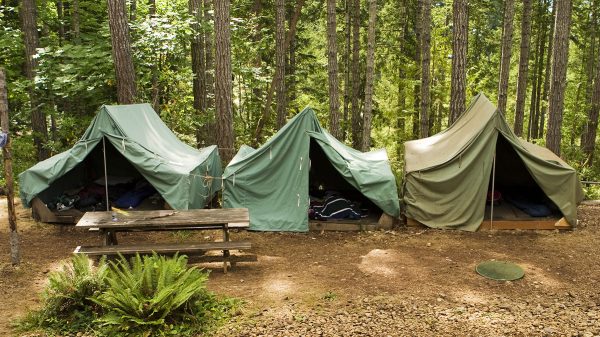
Troll Camping lavoos tents

What is Scout Pioneering?

Pioneering is the art of using ropes and poles to create a structure of any size. Large or small, it’s all about mastering knots and lashes whilst promoting teamwork and problem-solving.

Pioneers used these techniques to cross rivers, build shelters, and clear land without modern construction tools.

The Fundamentals of Scout Pioneering

You don’t need a engineering degree to get started, but you do need to master three fundamental elements:

  • Knots: Simple knots like the Clove Hitch (to start and finish lashings), the Timber Hitch (to haul logs), and the Bowline (a reliable loop that won’t slip).
  • Lashings: Bindings wrapped around two or more spars to hold them securely together.
  • Anchors: A secure point used to anchor tension lines and keep structures upright.

Fun Tips & Tricks for Better Pioneering

Ready to take your troop’s pioneering skills to the next level? Here are some pro-tips to save time and build rock-solid structures.

1. Master "Frapping" (The Secret Strength)

Most beginners focus on the wrapping turns, but frapping turns are what tighten the lashing. Think of frapping as squeezing the air out of the knot. The tighter your fraps, the less your structure will wobble.

2. Use the Right Rope Materials

Manila Rope is often considered the gold standard for pioneering whilst many groups find sisal is a good budget-friendly alternative. The natural fibres grip wood firmly without slipping, making lashings hold tight. Some groups will use synthetic rope for smaller or indoor projects.

3. Slow And Steady Wins The Race!

Don’t try to lash a giant tower together in one go – be methodical! Lay out your A-frames or square frames on the ground, lash them completely, check your angles, and then lift the finished components into place using guy lines and team spotters.

4. Colour-Code Your Pioneering Ropes

Stay organised by color-coding the ends of your pioneering ropes with electrical tape based on length (e.g., Red = 10 ft, Blue = 15 ft, Yellow = 20 ft). This saves precious time!

5. Encourage Creativity

Scout Pioneering is a great activity to not only master core skills, encourage teamwork and learn a little bit about the basic laws of physics, but it’s a great opportunity to encourage members to use their imagination. Start small, be methodical, but dream big – it’s amazing what can be achieved when they set their minds to it!

Scout Pioneering on International Soil!

Planning your next international Scout adventure? Many sites will offer team building activities including Scout Pioneering.

More To Explore